
For more than 10 years, earning press mentions had a routine. Three HARO emails a day, a fast reply to the right query, and a quote in a real publication with a link attached. Then the routine died in stages: a rebrand nobody asked for, a paywall nobody wanted, and a shutdown announcement in December 2024.
Journalist requests didn’t disappear with the platform. Reporters still need expert sources every single day. What broke was the central marketplace where those requests lived, and understanding why it broke tells you exactly which HARO alternatives are worth your time now.
This guide covers what actually happened, the platforms that absorbed the demand, and how the pitching game changed underneath it all.
What Actually Happened to HARO
Cision, which had owned HARO since 2014, rebranded it as Connectively in early 2024 and moved the beloved email digests into a login-based platform with paid pitching. Usage fell, journalists drifted, and on December 9, 2024, Cision shut Connectively down entirely to focus on its enterprise products.
Then the story took a turn. In early 2025, Featured.com acquired the HARO name and relaunched it in April 2025 as a free, email-based service close to the original format. So HARO technically exists again, under new ownership, rebuilding its journalist base from a much smaller position.
The important part isn’t the corporate shuffle. It’s that the shutdown scattered both journalists and sources across half a dozen platforms, and that fragmentation is now permanent. Nobody dominates journalist requests the way HARO once did, and the people winning coverage in 2026 monitor several channels instead of one inbox.
Why the Marketplace Really Broke
Cision’s official reason was strategic focus, but everyone who used the platform in its final years watched the actual cause build up in real time — AI flooded the pitch side until journalists stopped reading.
The scale of that flood is measurable. Graphite’s study of 65,000 web URLs found that by November 2024, the same month Connectively died, AI-generated articles being published on the web had surpassed human-written ones.
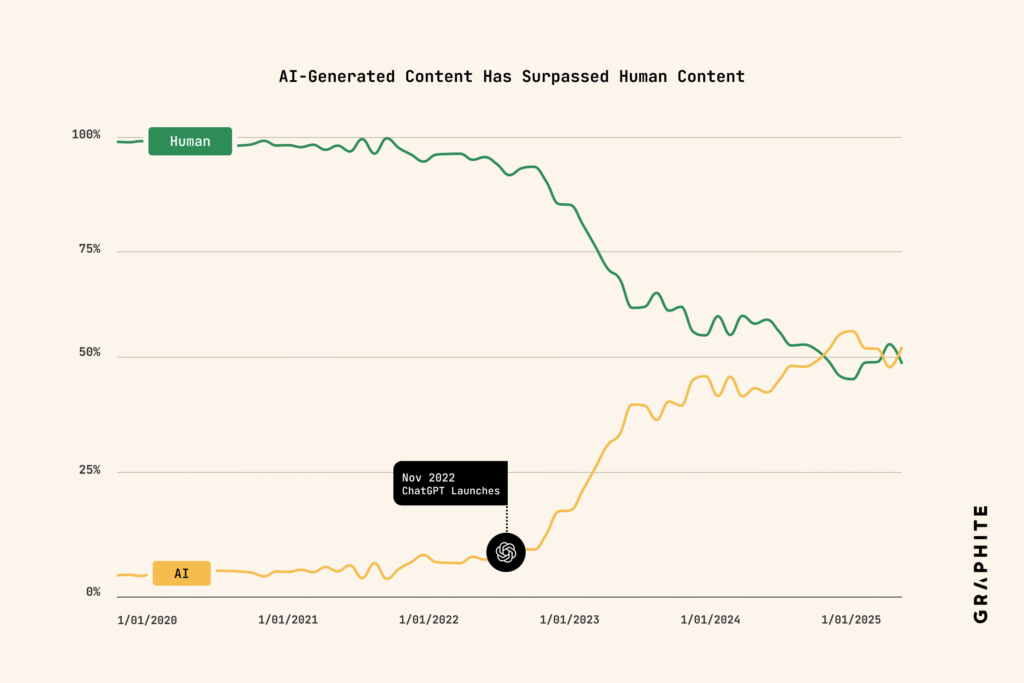
Source: Graphite
The same tooling that mass-produces articles mass-produces pitches, and journalists posting a query began receiving hundreds of near-identical, AI-written responses within hours. When every reply is generic, reading replies stops being worth a reporter’s time, and the marketplace’s core value, useful sources fast, collapsed.
That diagnosis matters because it predicts which replacements survive. Every platform that’s growing right now sells journalists the same thing — protection from the flood, through verification, pitch limits, curation, or trust systems. The free-for-all era isn’t coming back, and strategies built for it don’t work on any platform now.
3 Best HARO Alternatives
3 channels absorbed most of the demand. Each made a different trade-off, which is why serious operators run several in parallel.
1. Qwoted
Qwoted is the closest experience to peak HARO, with one big difference — users are verified, which keeps the AI spray-and-pray crowd out and keeps journalists reading. The free tier allows two pitches a month with a delay on seeing new requests, so treating it seriously means the paid plan. Strongest in business, finance, tech, and healthcare.
2. SOS (Source of Sources)
SOS was built by Peter Shankman, HARO’s original founder, after watching Connectively fail. It’s one of the best HARO alternatives, completely free, email-based like the original, and runs on an honor system with bans for off-topic pitching. Lower volume than the old HARO, but the signal-to-noise ratio is the best of any current platform.
3. MentionMatch
MentionMatch focuses on business-to-business content, where writers constantly need practitioner quotes. Less glamorous outlets than tier-one press, but B2B placements tend to be highly relevant, and relevance is what makes an editorial link worth having.
Wrap Up
The collapse of the journalist request marketplace looked like bad news for everyone who relied on it. Play it forward and it’s the opposite. The flood of AI pitches destroyed the HARO platform, but it also destroyed the easy competition, and the verification walls that rose afterward keep most of it out permanently.
Journalists need sources as much as they ever did. The demand survived, only the lazy supply died. For anyone willing to monitor the HARO alternatives and write like an actual expert, coverage is more winnable now than it was in HARO’s crowded final years. And every placement builds an asset, trusted-source status, that no platform shutdown can take away.
FAQs
1. Is HARO still active in 2026?
Yes, under new ownership. Featured.com acquired the HARO name after Cision shut down Connectively in December 2024 and relaunched it in April 2025 as a free email-based service. Its journalist volume is still rebuilding, so treat it as one channel in a wider stack.
2. What’s the best free HARO alternative?
SOS (Source of Sources), built by HARO’s original founder, is the strongest free option: entirely free, no pitch caps, and high query quality thanks to strict community rules. Pair it with Qwoted for solid coverage.
3. Are paid platforms like Qwoted worth it?
If media coverage is a real part of your strategy, usually yes. Verification means journalists actually read pitches, so conversion per pitch runs well above the old free-for-all platforms. Calculate it against the value of one editorial link in your niche, and the subscription typically pays for itself with a single placement.
4. Do journalist request platforms still produce backlinks?
Yes, though not every mention includes a link, and journalists rarely notify you either way. Expect a mix of linked citations and unlinked brand mentions. Both carry value now, since unlinked mentions in trusted publications feed the brand signals that AI search systems weigh when deciding which companies to cite.
5. Can I use AI to write my pitches?
Use it for research and structure, never for the substance. Journalists reject generic AI-written responses on sight, and several platforms ban accounts for them.