Marketing a SaaS product in 2026 looks very different from a few years ago. Buyers are more informed, competition is tougher, and trust matters more than ever. People don’t sign up just because a product looks good—they want proof, value, and a clear reason to choose you over others.
This guide covers 5 SaaS marketing strategies for 2026 that actually help you get users, keep them engaged, and grow steadily.
1. Product-Led Growth (PLG)
In 2026, SaaS buyers want to experience the product before they commit. Product-led growth means your product does most of the selling for you. Instead of pushing demos or long sales calls right away, you let users try the product through free trials or freemium plans. This builds trust fast and lowers the barrier to entry.
The key is making sure the first experience is smooth and valuable. New users should understand what your product does within minutes, not hours. Clear onboarding, simple tooltips, and short walkthroughs help users reach their first “aha moment” quickly. That moment — when they see real value — is what drives upgrades.
PLG also reduces customer acquisition costs. When users sign up on their own and share the product with teammates, growth becomes more organic. Many successful SaaS companies now rely on in-app prompts, usage-based upgrades, and self-serve plans instead of heavy sales pressure.
To make PLG work, track user behavior closely. See where people get stuck, which features lead to upgrades, and where users drop off. Improve those areas regularly. In 2026, SaaS companies that focus on product experience first will win more users and keep them longer.
2. Content Marketing Built Around Real Use Cases
Content marketing still works in 2026, but only when it’s genuinely useful. SaaS buyers don’t want generic blogs — they want answers to real problems. In fact, 80% of buyers make decisions before contacting sales.
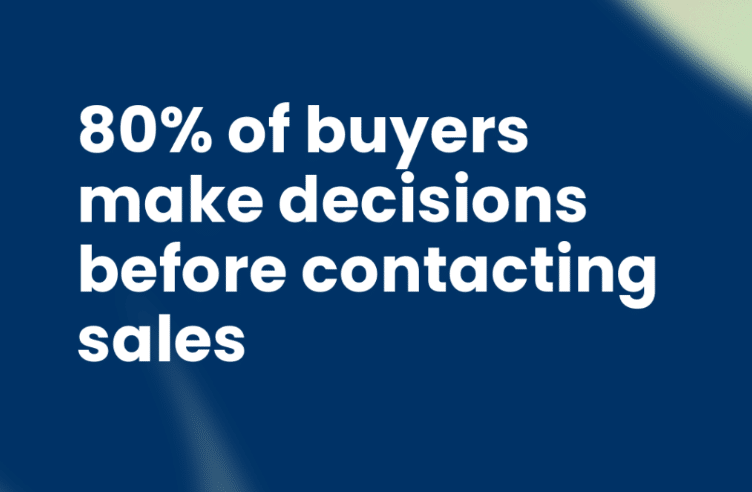
Source: Wayfind Marketing
This shows how critical content is to decision making. Instead of writing broad topics like “What is CRM software,” focus on specific use cases such as “How sales teams track follow-ups using a CRM” or “How startups automate reports in 10 minutes.” This type of content attracts buyers who are already close to making a decision.
Case studies, how-to guides, short videos, and comparison posts perform especially well. They help users picture themselves using your tool. Honest content builds trust, even if it means admitting where your product isn’t the best fit.
Good SaaS content also supports SEO. When you answer specific questions clearly, search engines reward you with long-term traffic. Over time, this brings steady leads without relying fully on ads.
3. Community-Driven Marketing
SaaS users trust other users more than ads. That’s why community-driven marketing is becoming a major growth strategy. Communities give customers a place to share tips, ask questions, and learn from each other—while staying connected to your brand.
This could be a Slack group, Discord server, private forum, or even LinkedIn group. The goal isn’t selling — it’s support and connection. When users feel heard and supported, they stay longer and recommend your product to others.
Communities also give you direct feedback. You can learn what features users want, what problems they face, and how they describe your product in their own words. That insight is gold for product development and marketing.
In 2026, SaaS brands that build strong communities see higher retention and lower churn. Community members often become power users, advocates, and even content creators for your brand.
The key is consistency. Show up, answer questions, and highlight user success. A healthy community turns customers into partners — and that’s powerful marketing.
4. Paid Ads With Strong Retargeting and Clear Messaging
Paid ads still matter for SaaS, but in 2026, they only work when done smartly. Most people won’t convert on the first visit. That’s where retargeting comes in.
Instead of pushing everyone to sign up right away, ads should match where users are in their journey. First-time visitors might see educational content. Returning users might see a free trial offer. Existing users might see an upgrade message.
Clear messaging is critical. SaaS ads should focus on one problem and one solution — not a long feature list. Simple headlines like “Track projects without chaos” work better than technical jargon.
Retargeting across platforms — Google, LinkedIn, and social media — keeps your brand visible without being annoying. When done right, it improves conversions while keeping costs under control.
In 2026, paid ads work best when combined with good landing pages, clear value, and strong follow-up emails. Ads bring attention, but the experience closes the deal.
5. Lifecycle Email Marketing and Personalization
Email is still one of the most effective SaaS marketing channels, especially when it’s personalized. In 2026, generic newsletters won’t work. Users expect emails that match their behavior and needs.
Lifecycle emails guide users at every stage — welcome emails, onboarding tips, usage reminders, upgrade prompts, and renewal emails. Each message should help the user get more value from the product.
Personalization doesn’t need to be complex. Simple things like referencing features they use, goals they set, or actions they haven’t completed can boost engagement. Well-timed emails feel helpful, not spammy.
Email also plays a big role in retention. Many SaaS users churn because they don’t fully use the product. Educational emails can fix that by showing shortcuts, new features, or success stories.
Final Thoughts
SaaS marketing in 2026 is less about pushing features and more about helping users see real value. When people can try your product, learn from your content, connect with other users, and get the right message at the right time, growth happens naturally.
The strongest SaaS companies focus on experience first — how users feel when they sign up, how easily they get started, and how supported they feel over time. These five strategies work best when used together, not in isolation.
Start small, test what works, and keep improving based on real user behavior. With the right approach, SaaS marketing becomes predictable, scalable, and built for long-term growth.
FAQs
1. Why is content marketing important for SaaS in 2026?
Content marketing educates potential users, builds trust, and drives leads. In SaaS, buyers research extensively before purchasing. High-quality content like case studies, tutorials, and videos helps them understand your product’s real-world value, improves SEO, and generates leads at a lower cost than traditional outbound marketing.
2. What type of content works best for SaaS companies?
SaaS content that focuses on real use cases performs best. Case studies, how-to guides, product comparisons, short videos, and tutorials help users visualize the product in action. Honest, specific content builds credibility and trust, while clearly demonstrating the value your SaaS provides in solving real business problems.
3. How does content marketing impact SEO for SaaS?
Content marketing boosts SEO by answering users’ specific questions and targeting relevant keywords. Well-structured, use-case-focused content helps your site rank higher in search results, driving long-term organic traffic. Over time, this brings a steady stream of leads without relying solely on paid advertising or outbound campaigns.
4. How often should SaaS companies publish content?
Consistency is key. SaaS companies that post regularly — even 1–2 high-quality pieces per week — typically see higher traffic, engagement, and lead generation. Maintaining a documented content strategy ensures topics align with buyer needs and supports long-term growth and SEO performance.
5. Can content marketing reduce customer acquisition costs?
Yes. Content marketing costs about 62% less than outbound marketing while generating more leads. By attracting users through valuable, informative content, SaaS companies can convert leads organically.