
Many people mix up marketing and advertising, but they play very different roles in growing a business. Marketing plans how to attract customers, build your brand, and keep people coming back. Advertising is one piece of that picture, focused on promoting products or services through specific campaigns.
Understanding the differences helps you make better decisions, spend your money wisely, and get results faster.
In this blog, we’ll share 9 key differences between marketing vs advertising.
1. Definition
Marketing is the overall plan a business uses to attract, keep, and satisfy customers. It includes everything from understanding who your customers are, researching your market, deciding on prices, and figuring out where and how to sell your products. Think of marketing as the big picture strategy for your business.
Advertising is just one part of that plan. It’s how you communicate your message to customers through paid channels, like TV ads, Google Ads, social media ads, or banners. Advertising takes the strategy created by marketing and turns it into messages that reach your audience.
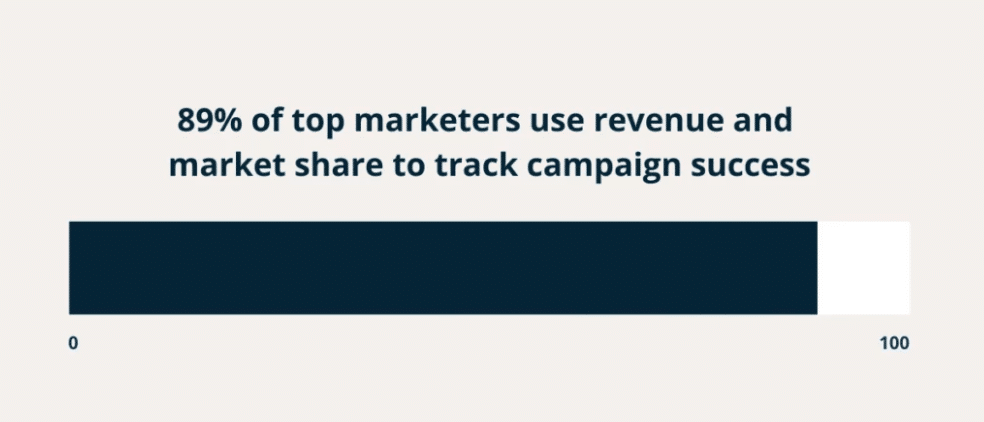
Marketing sets the direction, and advertising delivers the message. Both are needed, but confusing them can waste money and effort. In fact, 89% of leading marketers use strategic metrics like gross revenue and market share to measure campaign success.
Source: Camphouse
This shows why advertising works best when it supports clear marketing goals and real business outcomes.
2. Purpose
Marketing and advertising serve different goals. Marketing’s purpose is broader: it focuses on attracting new customers, keeping current ones, building your brand reputation, and creating long-term relationships.
For example, a marketing team might run a blog, share helpful tips on social media, or send emails to stay in touch with past customers.
Advertising is more direct. Its main goal is to get attention quickly and prompt people to take action, like making a purchase or calling your business. A Facebook ad announcing a sale or a Google search ad for a service is advertising in action.
The key difference in purpose is time and impact. Marketing builds the foundation and guides your business growth over time, while advertising drives immediate action and sales. Both work together — strong marketing makes advertising more effective.
3. Scope
Marketing covers a wide range of activities. It includes understanding customer needs, researching competitors, pricing products, creating content, managing social media, and planning campaigns. It’s a mix of strategy, analysis, and communication. Marketing also guides your brand’s overall image and how you present your business.
Advertising has a much narrower scope. It’s focused specifically on promoting your product or service using paid channels. This could be an online ad, a billboard, a TV commercial, or a sponsored post. Advertising doesn’t handle pricing, distribution, or market research—that’s marketing’s job.
So, marketing is the full plan, while advertising is one tool to make that plan visible to customers. Knowing this helps businesses use both effectively without wasting time or money.
4. Time Frame
Marketing usually looks at the long-term. It’s about building brand awareness, creating trust with customers, and growing your business steadily. For example, a well-maintained social media presence or a helpful email newsletter may not bring instant sales but build credibility over months or years.
Advertising focuses on short-term results. A sale announcement, a Google search ad, or a limited-time offer is designed to grab attention and get people to act quickly. Campaigns can last days, weeks, or months, but the goal is immediate response.
5. Channels Used
Marketing uses many channels, both free and paid. This includes SEO, blogs, social media posts, email newsletters, PR, events, and even partnerships with other businesses. Marketing focuses on reaching customers wherever they are, providing value, and building relationships over time.
Advertising is limited to channels where you pay to promote your message. This includes Google Ads, Facebook Ads, Instagram sponsored posts, TV and radio commercials, or display banners. The goal is to reach as many people as possible with a specific message.
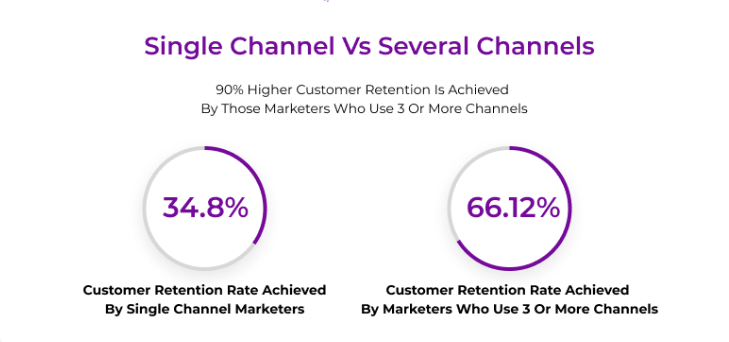
Using multiple channels together makes a big difference. In fact, single-channel marketers see around 34.8% retention, while those using several channels reach 66.1% retention.
Source: SmartyAds
This is why marketing strengthens advertising. When ads are supported by SEO, email, and content, they feel more consistent, build trust, and deliver better results instead of working in isolation.
6. Cost
Marketing can include both low-cost and higher-cost activities. Writing blogs, posting on social media, sending emails, and building a strong website can all be done on a small budget if planned carefully. You might spend money on tools or staff, but the focus is efficiency and long-term results.
Advertising usually involves a direct spend for each campaign. Every Google ad click, Facebook boost, or TV commercial has a cost. The bigger your reach, the higher the cost. Advertising budgets can add up quickly, so planning and targeting are essential to avoid wasted money.
Using both together helps businesses save money — strong marketing reduces the need for expensive advertising campaigns while making each ad more effective.
7. Measurement & Metrics
Marketing success is measured over time. You look at things like brand awareness, customer engagement, email open rates, social media growth, and overall ROI. The impact isn’t always immediate but shows up in stronger relationships and repeat business.
Advertising is easier to measure quickly. You can track clicks, impressions, conversions, and sales directly from a campaign. For example, a Google ad can show exactly how many people clicked and bought, giving fast feedback on performance.
Using both together gives the clearest picture. Marketing provides the foundation, and advertising gives the measurable boost needed to grow faster.
8. Audience Focus
Marketing focuses on understanding your audience deeply. It looks at customer needs, habits, preferences, and pain points. Marketing helps create customer personas so all communication, pricing, and product decisions make sense for the people you want to reach.
Advertising targets specific groups with messages designed to get attention and action. For example, Facebook allows you to target homeowners in a city who searched for AC repair. Advertising relies on the audience information marketing provides.
Knowing your audience through marketing makes your ads more effective, saving money and bringing better results.
9. Creativity vs Strategy
Marketing is mostly strategy. It plans how the business grows, how the brand is presented, and how customers are treated. Creative ideas matter, but they support the plan and overall business goals.
Advertising is often more creative. It’s about making people notice and remember your brand. Ads need catchy visuals, strong messages, and persuasive calls-to-action. Good advertising grabs attention, but without a marketing strategy behind it, the impact is short-lived.
Wrapping Up
Marketing vs advertising work best when you understand how they support each other. Marketing helps you plan, understand your customers, and build a strong foundation for your business. Advertising helps spread the message and bring quick attention when you need it.
When businesses rely only on advertising, results often fade fast. When they focus only on marketing, growth can feel slow. Using both together gives you balance — long-term trust with short-term wins.
Once you understand these differences, you can spend smarter, choose the right channels, and avoid wasting time and money. Strong marketing leads the way, and advertising helps push it forward at the right time.
FAQs
1. Is marketing the same as advertising?
No. Marketing is the full plan for growing a business, while advertising is just one part of that plan. Advertising focuses on promoting products, but marketing covers everything from research to customer relationships.
2. Can a business survive with only advertising?
Advertising can bring quick attention, but without marketing, results don’t last. Marketing helps build trust and long-term growth, which advertising alone can’t do.
3. Which one should a small business focus on first?
Small businesses should start with marketing. Knowing your audience, message, and goals makes advertising more effective and saves money.
4. Does marketing always take more time than advertising?
Yes, marketing usually works over time, while advertising brings faster results. Both are important and work best when used together.
5. Can digital ads replace marketing completely?
No. Ads can drive traffic, but marketing keeps customers engaged, loyal, and coming back. Ads work better when supported by strong marketing.