
Search is moving in a different direction, and most people are still playing by old rules. Publishing random articles and hoping something ranks isn’t enough anymore. If you want real visibility now, you need to build topical authority around a topic, not just create content around keywords.
AI search systems don’t look at one page in isolation. They look at how consistently you cover a subject, how well your content connects, and whether your site actually feels like a reliable source. That’s what decides if you show up or get ignored.
In this guide, you’ll learn how to build topical authority step by step.
#1. Pick a Clear Topic and Stick to It
If you want to build real authority, the first thing is to stop jumping around. A lot of websites make the mistake of writing about everything they see trending. That usually confuses both users and search systems. You end up with content that doesn’t feel connected, and nothing really builds up over time.
Pick one main area and stay inside it. It can be SEO, digital marketing, real estate, AI tools, or anything else, but keep it focused. When your content stays in one space, it becomes easier for people and search systems to understand what you actually do.
Over time, this consistency starts to matter. When someone lands on your site and sees that most of your content is about the same subject, it builds trust. It also helps search systems connect the dots between your pages.
You don’t need to overthink it or try to cover everything at once. Just choose a direction and keep publishing around it. Even if growth feels slow in the beginning, this is what creates a strong base. Without this step, everything else becomes scattered and less effective.
#2. Build Content Around One Main Idea and Support It
Once your topic is clear, the next step is to organize your content properly. Don’t just publish random posts with no connection. Instead, build your content like a system where everything supports a main idea.
Start with one strong, detailed piece that covers your main topic in depth. This becomes your main page. Then create other content that goes deeper into smaller parts of that same topic. Each piece should connect back to the main one in a natural way.
This makes your website feel structured instead of random. It also helps search systems understand what your content is really about. When everything is connected, your pages start working together instead of standing alone.
The goal here is not just to publish more, but to publish with purpose. Every new article should add something extra, not repeat what you already said. Over time, this creates a strong content base that keeps growing in value.
When people explore your site, they should feel like everything fits together. That’s what makes your content easier to trust and easier to surface in search results.
#3. Keep Your Content Consistent and Updated
Publishing content once is not enough. If you want to build strong visibility, you need to stay consistent and also keep improving what you already have.
Consistency doesn’t mean posting every day. It just means showing up regularly and staying active in your topic. When search systems see that your site is continuously updated, it signals that your content is alive and relevant.
At the same time, don’t ignore old content. Go back and improve it when needed. Update examples, fix outdated points, and add new information where it makes sense. This keeps your content fresh without always starting from scratch.
Over time, this habit makes a big difference. Your site doesn’t just grow in size, it grows in quality. And when both things are balanced, your chances of getting visibility increase.
People also notice this. When they see updated and consistent content, it builds confidence in your work. It shows that you’re not just publishing and forgetting, but actually maintaining what you’ve built.
#4. Create Supporting Content That Actually Adds Value
Once your main content is in place, the next step is to support it properly. A lot of people stop after publishing one or two articles and expect results, but that’s not how strong visibility is built. You need supporting content that goes deeper into specific parts of your main topic.
Think of it like breaking a big idea into smaller, more focused pieces. Each piece should answer a real question or solve a specific problem. This helps you cover your topic from different angles without repeating yourself.
When you do this right, your content starts working together. One article leads to another, and users spend more time exploring your site. That sends a strong signal that your content is useful and connected.
Over time, this structure also helps search systems understand your depth. Instead of seeing a single page, they see a full set of content around the same subject. That’s what builds real strength.
#5. Build Topical Authority Outside Your Website
Your own website alone is not enough to build strong visibility. What happens outside your site matters just as much. When other trusted platforms mention you or link to your content, it sends a strong signal that your work is worth paying attention to.
That’s where backlinks and external mentions come in. They act like trust signals. If respected websites reference your content, it increases your chances of being seen as reliable in your space.
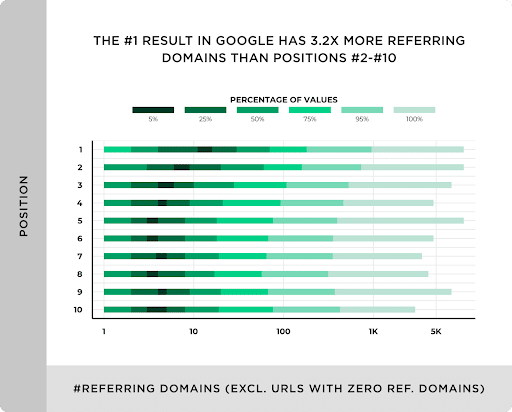
Another study by Backlinko showed that the #1 result on Google has 3.8x more backlinks than pages ranking lower on average.
Source: Backlinko
It highlights how important external validation is for visibility.
You don’t need hundreds of links. You need relevant, trusted mentions over time. Guest posts, digital PR, and collaborations all help build this layer.
#6. Make Your Content Easy to Understand and Use
Even strong content can lose impact if it’s hard to follow. If people struggle to read or understand your page, they leave quickly, and that weakens your overall performance.
Your focus should always be clarity. Keep sentences simple, ideas direct, and structure clean. Don’t try to sound complicated or overly polished. Write in a way that feels natural and easy to read.
Break long ideas into smaller parts so they don’t feel heavy. Each section should deliver one clear point instead of mixing too many ideas together. This helps readers stay engaged and understand your message without effort.
It also helps search systems process your content better. When your structure is clean, it becomes easier to extract information from your page and use it in results.
Think of your content as something people should be able to read quickly and still get value from. If they have to stop and re-read too much, you’re losing them.
Wrap Up
Building topical authority takes time, but it’s what separates content that gets ignored from content that actually shows up. It’s about building in the right direction with focus and consistency.
When your content is connected, easy to understand, and supported by trusted sources, it starts to carry real weight. Over time, this builds a clear signal around your expertise that both people and search systems can recognize.
If you stay consistent with your topic, improve what you already have, and keep strengthening your presence outside your website, visibility becomes a natural outcome.
FAQs
1. How long does it take to build topical authority?
It usually takes a few months of consistent publishing and updates. The timeline depends on your niche, content quality, and how well you connect your topics. Strong focus and regular improvement speed up the process.
2. Do I need to publish daily to build authority?
No, daily posting is not required. What matters more is consistency and relevance. Even a few strong, well-connected articles each month can build authority if they stay focused on one topic and add real value.
3. Why is internal linking important for topical authority?
Internal linking helps connect your content together, making it easier for search systems to understand your topic depth. It also guides users through related content, improving engagement and showing your website is well-structured.
4. Can small websites build topical authority?
Yes, small websites can build authority if they stay focused on one niche and publish consistently. Size is not the main factor. Clear direction, strong content structure, and relevance matter more than having a large site.
5. What hurts topical authority the most?
Jumping between unrelated topics hurts authority the most. It creates confusion and weakens your focus. Outdated content, poor structure, and lack of consistency also make it harder for your website to build trust over time.