Building backlinks is very complicated. Site owners are more careful, inboxes are crowded, and Google is getting better at spotting weak, irrelevant links. Because of all this, the cost of each link is increasing day by day. That’s why businesses keep asking: how much should link building actually cost in 2026?
The answer depends on the type of links you’re building, the industry you’re in, and how competitive your keywords are. Some companies waste money on bulk links that never move rankings, while others invest in fewer placements that bring steady traffic and long-term growth.
Let’s cover what link building costs today, what affects pricing, and what businesses should expect before hiring an agency or buying backlinks.
What Is the Average Cost of Link Building in 2026?
Link Building cost in 2026 depends on the quality of the links, your industry, and how competitive your keywords are. Some businesses spend a few hundred dollars per month, while others invest thousands into long-term SEO campaigns.
On average, a single placement can range anywhere from $50 to $200+, depending on the authority and strength of the website.
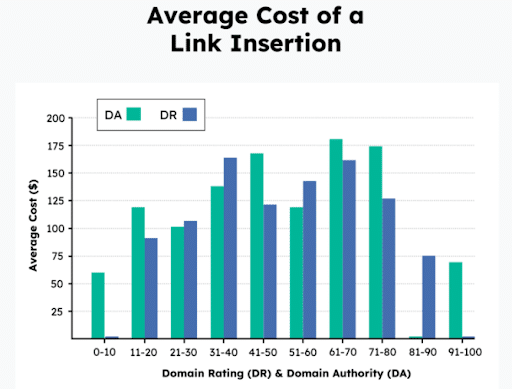
Source: BuzzStream
Here’s what businesses are paying on average:
| Link Type | Average Cost |
| Basic guest posts | $100–$300 |
| Quality niche guest posts | $300–$700 |
| Premium editorial placements | $700–$2,000+ |
| Niche edits | $150–$600 |
| Digital PR campaigns | $3,000–$15,000+ |
| Monthly agency retainers | $2,000–$10,000+ |
But link building is not just about buying links. A cheap backlink from a random blog with no traffic usually does very little. On the other hand, one strong link from a trusted website in your niche can improve rankings, bring visitors, and help build authority over time.
That’s why many businesses now focus more on relevance than volume. Instead of building hundreds of weak links, they invest in a few strong placements that actually make sense for their industry.
The cost also depends on the amount of work behind the campaign. Good link building often includes:
- manual outreach
- content writing
- finding relevant websites
- relationship building
- editor or placement fees
All of this takes time, and that’s one reason quality links cost more today than they did a few years ago.
Why Has Link Building Become More Expensive?
Here’s why link building has become more expensive.
- Websites are stricter with linking out: Website owners don’t give links as easily as before. Most editors now review every request, check relevance, and only accept content that truly fits their audience. Many sites also charge for placements because they know a single link can affect rankings. This extra screening and control naturally pushes prices up, since getting approval takes more time and effort than it used to.
- Real content takes more effort now: In the past, simple guest posts were enough. Now most good websites expect well-researched, useful content that actually helps their readers. This means writers need to spend more time on research, examples, and structure. Some publishers even reject basic articles. Because content quality standards have gone up, the cost of producing and placing that content has also increased.
- Strong websites value their authority more: High-authority sites are careful about who they link to because they don’t want to lose trust with search engines or readers. They know their link holds real SEO value, so they protect it. Instead of giving free or cheap placements, they charge higher fees or only accept high-quality partnerships. This makes links from trusted sites more expensive but also more valuable.
- Outreach has become more competitive: SEO teams from all over the world are reaching out to the same websites. Inbox competition is heavy, and site owners get hundreds of requests every week. Because of this, it takes more effort to stand out and build relationships. Agencies often need multiple follow-ups or unique angles to secure a single placement, which adds to the overall cost.
How Much Should Different Businesses Spend on Link Building?
There’s no single number that works for everyone. It really depends on your niche, competition, and how fast you want to grow.
For small local businesses, link building cost usually stays low. Most of the time, they spend around $200 to $1,000 per month. This is enough for local citations, small blogs, and a few relevant placements that help them show up in local searches.
For small SaaS or growing online stores, the budget is higher because competition is stronger. These businesses often spend around $1,000 to $3,000 per month. At this level, the focus is usually on guest posts and niche websites that can actually bring traffic, not just links.
For mid-sized businesses in competitive niches, link building cost becomes more consistent and planned. They usually invest around $3,000 to $8,000 per month. This goes into better-quality placements, stronger websites, and sometimes light digital PR work.
For large brands or highly competitive industries like finance, SaaS, or health, spending can go beyond $8,000 to $15,000+ per month. Here the goal is staying ahead of strong competitors with ongoing authority building.
How to Choose a Link Building Agency at a Fair Price
Choosing the right link building agency is about finding one that charges fairly for real work. In 2026, there are still agencies selling very cheap packages, but most of them rely on low-quality sites that don’t move rankings. On the other hand, some agencies overcharge just because they can, without adding extra value. The goal is to stay in the middle: fair pricing with real results.
Start by looking at what they actually do for the price. A good agency will clearly explain where the links come from, what kind of websites they use, and how they get placements. If they avoid these details or only talk in vague terms, that’s usually a red flag.
Next, check the quality of their past links. Don’t just look at DR or DA — see if the sites have real traffic and content that makes sense. A smaller site with active readers is often more valuable than a high-DR site with no engagement.
You should also pay attention to their outreach process. Agencies doing real work will mention manual outreach, content writing, and niche targeting. If everything sounds automated or “instant,” it usually means low effort links.
Plus, compare pricing with what’s included. A fair agency won’t just sell links — they’ll include content creation, research, and proper placement. Most reliable providers fall in the mid-range pricing.
Wrap Up
Link building in 2026 is less about buying links and more about making smart choices. Costs are higher now because real outreach, better content, and trusted websites all take more effort.
But the extra cost often brings better results when the links are relevant and placed on real sites with traffic. Instead of chasing cheap options, businesses should focus on value and consistency. A clear plan and the right agency can make a big difference over time.
If you want to get backlinks at a reasonable price, reach out today. We’ll help you build editorial backlinks at fair and affordable rates, focused on real websites and long-term SEO value.
FAQs
1. How much does a single backlink cost in 2026?
A single backlink usually costs between $50 to $2,000 depending on the website quality, niche, and placement type. Simple guest posts are cheaper, while editorial or high-traffic sites charge more because they bring stronger SEO value and visibility.
2. Are cheap backlinks worth it?
Cheap backlinks are usually not worth it. Most come from low-quality or irrelevant sites that don’t help rankings. In some cases, they can even waste time and budget. It’s better to invest in fewer but high-quality and relevant links.
3. How many backlinks do I need per month?
There is no fixed number. It depends on your niche and competition. Some websites grow with 5–10 strong links per month, while competitive industries may need 20–50 quality placements for steady ranking improvement and visibility.
4. What is the safest link building strategy?
The safest strategy is earning links through relevant guest posts, niche edits, and digital PR. These methods focus on real websites, natural placements, and useful content, which reduces risk and builds long-term authority without triggering search engine penalties.
5. Why do link building prices vary so much?
Prices vary because of differences in website quality, traffic, niche difficulty, and outreach effort. High-authority sites with real audiences charge more, while low-quality sites charge less and provide little SEO impact.