
Link building for financial advisors requires a different mindset than most industries. Because you’re operating in a regulated space where every public statement can be reviewed, archived, and questioned later. A casual performance comment, an overly confident prediction, or an unclear disclaimer can create compliance headaches. That reality changes how you approach PR, media mentions, and backlinks.
Because of that, buying placements, publishing bold opinion pieces about market direction, or outsourcing outreach to agencies that don’t understand financial regulations can do more harm than good. That’s why you need safe PR strategies.
In this blog, we’ll share compliance-safe PR strategies financial advisors can use to earn high-quality backlinks without creating regulatory risk.
#1. Journalist Source Platforms
One of the safest ways for financial advisors to earn backlinks is by becoming a source for journalists. Reporters are constantly looking for expert input on retirement trends, inflation concerns, tax planning mistakes, or market behavior. When you respond to those queries, you’re not pitching your services — you’re offering insight. That distinction matters for compliance.
But it all depends on how you answer. Avoid giving specific investment recommendations, don’t talk about projected returns, and also don’t frame anything as a guarantee. Focus on education.
For example, you can explain how rising interest rates typically affect bond prices, or why retirees often underestimate sequence of returns risk. Keep your language balanced. Words like “can,” “may,” and “historically” protect you from sounding absolute.
It also helps to prepare a compliance-approved bio in advance. Have a short, neutral description of who you are and what you specialize in. That way, every response stays consistent and pre-cleared. Before submitting quotes, many advisors run them through compliance review, especially if they reference data or statistics.
When your comments are published, you usually receive a backlink from reputable news sites, finance blogs, or business publications. These are editorial links. They’re earned through expertise, not manipulation.
#2. Educational Thought Leadership
Another compliance-safe strategy is publishing educational content that focuses on concepts, not products. Financial advisors often make the mistake of turning every article into a soft sales pitch. That approach not only weakens credibility, it can also slow down compliance approval. Educational content, on the other hand, tends to move more smoothly through review.
Think in terms of common investor misunderstandings. For example: why holding too much cash can quietly lose value during inflation, how tax brackets actually work in retirement, or what people often overlook when naming beneficiaries. These topics provide real value without discussing specific client outcomes.
You can contribute guest articles to reputable financial websites, local business publications, or industry blogs. The tone should feel informative, not promotional. Avoid phrases that suggest superiority or guaranteed expertise. Instead of saying “we help clients outperform the market,” explain how diversification is designed to manage risk. Let the education speak for itself.
Proper disclaimers should be included where required, and content should go through compliance review before publication. When done consistently, this strategy builds trust. Editors are more willing to publish advisors who prioritize clarity over sales language. The backlinks you earn from these placements are strong because they’re based on expertise and credibility.
#3. Data-Driven Commentary Using Public Information
If you want to stay on the safe side of compliance while still earning strong backlinks, stick to data that’s already public. There’s no shortage of reliable sources — Federal Reserve updates, inflation reports, labor statistics, market summaries, Social Security announcements. Journalists and editors often need someone to explain what those numbers actually mean for everyday investors. And here, a real person can help.
The important part is interpretation, not prediction. You’re not saying where the market will go next quarter. You’re explaining how rate hikes typically affect borrowing costs, or why inflation changes retirement withdrawal strategies. Use historical context. Use cautious language. Avoid making statements that sound like promises.
For example, instead of saying “this is the best time to invest,” you might explain how investors historically respond during similar economic cycles. That keeps your commentary educational and balanced. It also makes compliance review much easier because you’re not introducing forward-looking claims.
When you consistently provide clear explanations of complex data, reporters begin to see you as a reliable source. Over time, that leads to recurring mentions in articles, roundups, and expert panels — often with backlinks to your website. These are high-trust links because they’re tied to real expertise, not outreach tricks. And since everything is grounded in public data, the compliance risk stays low.
#4. Local PR and Community-Based Authority
Many advisors overlook local PR, but it’s one of the safest link-building paths available. Community involvement rarely raises compliance concerns because it’s rooted in education and service, not performance claims. Hosting a retirement planning workshop at a local library, speaking at a small business event, or sponsoring a financial literacy program can naturally lead to coverage from local news sites and community organizations.
Local chambers of commerce, nonprofit groups, and event pages often publish recaps and link back to participating businesses. These backlinks may not always come from national finance publications, but they carry strong local authority.
That authority also connects directly to trust. Research shows that 88% of consumers trust online reviews as much as personal recommendations.
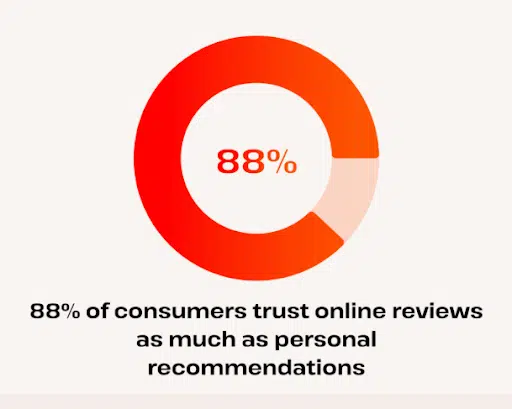
Image Source: Genius
When your firm appears in local coverage, community listings, and event recaps, it reinforces credibility before someone even schedules a call.
But focus on education. If you’re hosting a workshop, structure it around general financial principles. Avoid discussing specific investment products or client success stories. Make it about common planning mistakes, budgeting basics, or retirement readiness checklists. This keeps the content neutral and easier to approve internally.
Local journalists are also more approachable than national outlets. A short interview about how rising living costs are affecting retirees in your area can turn into a feature story. Those mentions build credibility in your own community first, which often matters more than broad exposure.
#5. Podcast and Webinar Appearances
Podcast interviews and educational webinars are one of the most practical ways for financial advisors to earn quality backlinks without stepping into compliance trouble. Most podcast hosts publish a dedicated episode page that includes your bio, credentials, and a link back to your website. That link is earned through expertise — not paid placement — which makes it both safe and valuable.
The key is to approach these appearances as educational conversations, not marketing opportunities. Focus on broad topics people genuinely care about: retirement income planning basics, common tax mistakes, market volatility behavior, or financial planning during inflation. Avoid discussing specific securities, projected returns, or client outcomes.
Before going live, prepare talking points that have already been reviewed internally. This reduces the risk of saying something that sounds like advice tailored to a listener. If performance is mentioned, keep it historical and balanced. Avoid strong predictions or confident forecasts.
After the episode is published, you can also create a short recap article on your own website and link back to the show. This builds internal content while reinforcing the external mention.
Final Thoughts
Link building for financial advisors should never feel like a race. If a tactic creates even a small compliance risk, it’s not worth it. One careless phrase can undo years of credibility. That’s why the smarter approach is steady and structured… focus on education, show up in the right places, and let your expertise speak clearly without hype.
When your name appears in trusted articles, local coverage, podcasts, and research mentions, it builds something stronger than rankings. It builds familiarity. People start seeing you as a reliable voice, not someone trying to sell.
FAQs
1. Is link building safe for financial advisors?
Yes. Link building for financial advisors is safe. Financial advisors operate under strict compliance rules, so aggressive SEO tactics can create risk. The safest approach focuses on education, media commentary, and community involvement. When backlinks are earned through expertise, they support visibility without raising regulatory concerns.
2. Do financial advisors need compliance approval for media quotes?
In most cases, yes. Any public statement that includes financial commentary may need review, especially if it references performance, projections, or specific strategies. Having pre-approved talking points and a standard bio makes the process smoother and reduces the risk of publishing something that could cause issues later.
3. Are guest posts still effective for advisors?
They can be, if written in an educational tone. Guest articles should explain financial concepts, common planning mistakes, or economic trends. When content is neutral and informative, editors are more likely to publish it, and compliance teams are more likely to approve it.
4. How long does it take to see results from PR-based link building?
PR-based link building is slower than aggressive SEO campaigns. It may take several months to see consistent mentions. However, the links earned are typically higher quality and more credible. Over time, those mentions build authority that supports both search rankings and brand trust.
5. What type of backlinks matter most for financial advisors?
Editorial backlinks from trusted news sites, industry publications, local organizations, and professional partnerships matter most. These links show real credibility. Paid links, directories with no relevance, or spammy placements may hurt more than help, especially in a regulated industry where reputation is critical.