
Academic websites already carry a level of trust that most other sites don’t. Universities, research centers, and scholarly platforms are seen as reliable sources of information. But even with that trust, visibility doesn’t happen automatically. If your research, studies, or academic programs aren’t earning strong backlinks, they can easily get buried under larger publications and education platforms.
Link building for academic sites isn’t about chasing random links. It’s about earning the right ones. And that’s why we’ve created this guide.
We’ll share research-based and editorial link building strategies that help academic sites earn high-quality backlinks.
1. Publish Original Research That Others Can Cite
One of the strongest ways to earn links for an academic site is by publishing original research. If your institution is already conducting studies, surveys, or experiments, don’t let that work stay hidden inside academic journals only. Create a public summary that explains the findings in clear, simple language.
Writers, bloggers, and even journalists are always looking for reliable sources to support their articles. When your research includes useful data or clear conclusions, they can reference it and link back to your site. The key is to make it easy for them. Add a short summary, highlight key findings, and include simple charts if possible.
Avoid long blocks of technical language on your public page. You can link to the full paper separately. The goal is to help non-academic readers understand what your research shows and why it matters. When your work is easy to understand and easy to reference, citations and backlinks follow more naturally.
2. Turn Annual Reports and Studies Into Linkable Assets
Many academic institutions publish annual reports, research updates, or field-specific studies. Instead of just uploading a PDF and leaving it there, turn that content into a proper web page that people can link to.
Break the report into sections. Highlight the most important insights. Add short explanations for what the findings mean in real life. When your content is structured this way, it becomes much easier for other websites to reference specific parts.
You can also share key takeaways with education blogs, industry websites, and policy platforms. Let them know you’ve released new findings and explain why the data matters. Over time, if you publish reports consistently, your site can become a regular reference point in your field.
3. Collaborate With Other Institutions for Wider Reach
Partnerships can bring strong link opportunities for academic sites. When two universities or research bodies work together on a project, both sides usually publish announcements or summaries. That often leads to natural backlinks between institutions.
If you co-author a study, organize a joint research project, or host a shared academic event, make sure the collaboration is published clearly on both websites. Include links to each partner’s page so readers can explore the full work.
These partnerships can also attract attention from education blogs, news outlets, and research platforms that cover academic developments. When a project involves more than one respected institution, it often carries more weight and visibility.
4. Contribute Thought Leadership Articles to Education and Industry Publications
Academic institutions have one major advantage: expertise. Professors, researchers, and department heads often have years of experience and deep knowledge in their field. Instead of keeping that knowledge only inside research papers, you can turn it into thought leadership articles for external publications.
Education blogs, policy websites, and industry platforms are always looking for expert opinions. When a faculty member writes about trends in their field, shares insights on current issues, or explains complex topics in simple terms, it creates an opportunity for editorial links. These platforms usually allow an author bio, and that bio often includes a link back to the academic site.
The key is to write in a way that non-academic readers can understand. Avoid technical language and focus on explaining ideas clearly. When your content is helpful and readable, editors are more likely to publish it.
5. Respond to Media Requests as an Academic Expert
Journalists regularly look for expert opinions when writing about education, research, health, science, and policy. Academic institutions are in a strong position to provide that expertise, but many miss the opportunity because they don’t actively monitor media requests.
You can sign up for journalist platforms where reporters ask for expert input. When a topic matches your field, respond with a clear and direct answer. Focus on explaining the issue in plain language. Journalists appreciate experts who can simplify complex ideas without making them confusing.
When your input is included in an article, the publication often mentions your name, title, and institution. Many times, this also includes a backlink to your website. Even when a link isn’t included, the mention still builds reputation.
6. Reach Out to Resource Pages and Academic Directories
Many universities, libraries, and education-focused websites maintain resource pages. These pages list useful tools, research centers, guides, and academic references. If your content genuinely adds value, you can reach out and suggest including it.
A study shows that more than half of SEO professionals say they actively use resource pages and link list pages as part of their link building strategy.
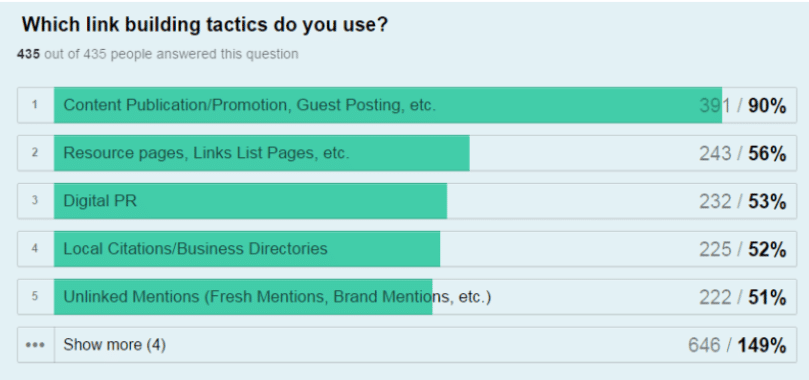
Image Source: SEOptimer
That tells these pages are still widely used because they work
Start by identifying resource pages related to your subject area. For example, if your institution publishes research on climate science, look for university pages listing environmental research resources. If your department focuses on public health, search for health education directories.
When you contact them, keep your message simple and respectful. Explain what your page offers and why it could help their readers. Do not demand a link or make it sound promotional. Focus on usefulness.
If your content is truly relevant and well-structured, many administrators are open to adding quality resources. These links are often highly trusted because they come from educational environments and are placed in a natural context.
7. Connect Research to Real-World Issues and Public Policy
Research gains more attention when it connects to real-life events or policy discussions. If your institution publishes findings that relate to current issues, use that as an opportunity for outreach.
For example, if a new law affects education, healthcare, or the environment, and your research touches on that topic, publish a clear summary explaining the connection. Then share it with policy blogs, news outlets, and industry websites that are covering the issue.
When research is tied to something happening now, it becomes more relevant. Writers and editors are more likely to reference and link to sources that help explain the situation.
This approach works well because it moves academic research beyond campus walls. It shows that your institution contributes to ongoing conversations that matter. That relevance increases high-quality backlinks and strengthens your reputation as an active voice in the field.
Wrapping Up
Link building for academic sites works best when it stays true to what academia already does well — research, expertise, and collaboration. Universities and research institutions already produce valuable knowledge, but that value needs visibility. When studies are shared clearly, explained in simple language, and connected to real issues, they become easier for others to reference and cite.
You don’t need aggressive tactics or shortcuts. Focus on publishing meaningful work, building partnerships, and engaging with media in a helpful way. When your research is useful and accessible, links come naturally.
FAQs
1. Why is link building important for academic sites?
Even though academic sites already have trust, backlinks help improve visibility in search results. When other respected websites link to your research or resources, it signals value and relevance. This helps your pages rank higher and reach a wider audience beyond your institution.
2. What type of content attracts the most backlinks for universities?
Original research, data studies, reports, and expert commentary attract the most links. Content that provides clear insights or useful statistics is more likely to be cited. When research is easy to understand and well-structured, journalists and bloggers are more willing to reference it.
3. Are .edu backlinks automatically powerful?
A link from a .edu domain can carry strong trust, but not every link has the same value. Relevance and context matter. A natural link placed within useful content is far more valuable than a random link placed without clear connection to the topic.
4. How can academic institutions earn editorial links?
Academic institutions can earn editorial links by responding to journalist requests, publishing research summaries, contributing expert opinions, and sharing insights tied to current events. When media outlets quote faculty members or reference research findings, they often include backlinks to the institution’s website.
5. How long does it take to see results from academic link building?
Results usually take time. Strong backlinks build authority gradually, and search rankings improve over months rather than weeks. Consistent publishing, outreach, and collaboration increase long-term visibility. Academic link building works best as a steady process, not a one-time effort.