
Link building in iGaming is really tough. The major reason is publishers are careful. Journalists are selective. And one wrong angle can get your pitch ignored instantly. You can’t treat a casino or sportsbook site like a regular brand and expect the same results.
At the same time, rankings in gambling are highly competitive. A few strong, relevant editorial links can move the needle, while dozens of weak ones do nothing. That’s why the approach has to be thoughtful and realistic.
In this guide, we’ll look at 7 best strategies to build links for iGaming brands today.
#1. Link Building in iGaming Starts With Expert Positioning
If you want backlinks that actually work, you need to change how you present yourself. Most brands in this space approach outreach like they’re promoting a product. They introduce themselves as a casino, a sportsbook, or an affiliate site and immediately talk about offers or features. That’s the biggest mistake.
Editors and journalists are cautious with gambling. They’re not looking to promote bonus pages. They’re looking for credible insight. When your pitch sounds commercial, it raises red flags. When it sounds informative and grounded in real industry understanding, the response changes completely.
So lead with your expertise. Talk about betting patterns during major sports events. Explain how odds shift before big matches. Share insight into regulation updates or responsible gambling trends. When you position yourself as someone who understands the industry rather than someone trying to sell inside it, you become a safer source to quote.
#2. Run Targeted Data Campaigns Built Around Specific Angles
If you want consistent editorial links in iGaming, you need to stop relying on opinions and start building angles around structured data. Journalists already have more commentary than they need. What they don’t always have is clear, usable information tied to a timely topic.
There’s a reason content marketing continues to outperform most other link building approaches. In industry surveys, content marketing specifically focused on generating links ranks as the most used strategy, ahead of competitor analysis, brand mention chasing, broken link building, and even reactive PR.
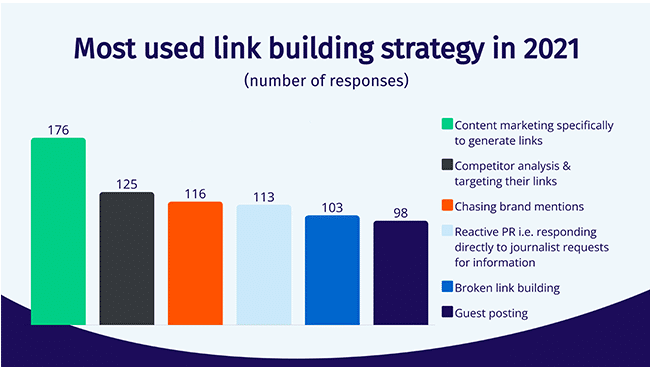
Image Source: Adam Connell
That tells when content is built with purpose, it attracts links more reliably than traditional outreach tricks.
Instead of creating broad “industry reports,” focus on tight, specific data angles.
For example, analyze betting interest shifts before and after a regulation change in a particular state. Compare search demand for different betting markets during major tournaments. Break down how odds movement trends over a 72-hour window before a championship match. These are contained, digestible angles that journalists can easily reference and plug directly into their stories.
Execution matters just as much as the idea. Create a dedicated landing page that summarizes your findings in plain language, includes one or two simple visuals, and clearly explains what the data shows. Keep it clean and informative. Do not bury it inside promotional content or surround it with aggressive calls to action. When the page feels like a resource instead of a sales funnel, editors are far more comfortable linking to it.
When you pitch, highlight the single most interesting takeaway instead of overwhelming them with numbers. If your insight makes their article stronger and easier to write, your chances of earning the link increase significantly.
#3. Build a News Monitoring System Around Regulation and Major Events
One of the most reliable link opportunities in gambling comes from regulation updates and major sporting events, but most brands react too slowly. By the time they prepare a pitch, the article is already published.
You need a structured monitoring process. Track state legislative calendars, licensing announcements, tax revisions, and compliance updates. At the same time, maintain a calendar of major sporting events where betting interest spikes. This preparation allows you to anticipate coverage instead of chasing it.
When news breaks, respond with focused commentary explaining what the change means for operators, bettors, or the broader market. Keep it neutral and analytical. Journalists on tight deadlines prioritize sources who respond quickly and clearly.
This approach consistently supports link building in iGaming because the industry naturally generates ongoing news cycles. If you become known for timely, useful reactions, you create repeat placement opportunities instead of one-off wins.
#4. Engineer Linkable Resource Pages Before Outreach Begins
Many placements fail not because of the pitch, but because of the page being linked. Editors often review the destination before adding a hyperlink. If the page is overloaded with aggressive calls to action, pop-ups, or bonus-heavy messaging, they hesitate or remove the link entirely.
Before launching outreach campaigns, build resource-focused pages designed specifically for citations. These can include regulatory breakdowns by region, annual betting trend summaries, probability explainers, or statistical hubs. The design should be clean and informational. The tone should feel educational rather than promotional. Your goal is to make the page look like a reference source.
This structural step directly affects link building in iGaming because the niche already carries scrutiny. A page that looks balanced and informative lowers the perceived risk for publishers. Once authority links are secured to these resource pages, you can strengthen your key revenue pages through internal linking, maintaining compliance while still improving ranking potential.
#5. Target Adjacent Niches Instead of Only Gambling Publications
One mistake many iGaming brands make is limiting outreach to gambling or sports betting websites. The problem is that these sites are already saturated with similar content, and many of them carry limited authority compared to mainstream publications.
A smarter approach is to look at adjacent niches where your expertise still fits naturally. Personal finance blogs often cover budgeting and risk management. Business publications report on regulation, taxation, and market growth. Tech outlets discuss payment systems, fraud prevention, and cybersecurity. Even psychology and health sites publish content around behavioral trends and addiction awareness.
Instead of pitching “casino content,” frame your insight within the context of the publication’s audience. For example, discuss how new regulations impact state revenue, how betting behavior shifts during economic downturns, or how digital verification systems reduce fraud. These angles feel relevant without being promotional.
This strategy expands your link pool dramatically and helps you earn links from domains that search engines already trust, rather than relying only on niche gambling sites.
#6. Use HARO and Journalist Platforms With Strict Pitch Discipline
Platforms like HARO, Qwoted, and similar journalist request networks can work in gambling, but only if you approach them carefully. Most iGaming pitches fail because they read like advertisements or try to sneak in promotional language.
You need to follow strict discipline. Respond only to queries where your expertise genuinely matches the topic. Keep your answers focused on the journalist’s question, not your brand. Avoid mentioning bonuses, offers, or rankings entirely. Write in a neutral tone, provide clear explanations, and include one short credential line at the end.
Length matters as well. Overwriting reduces your chances because journalists skim responses. A concise, well-structured answer that directly addresses the question performs better than a long industry essay.
When done consistently, this approach supports link building in iGaming by securing editorial mentions that are contextually relevant and earned, not negotiated.
#7. Strengthen Authority With Smart Internal Link Flow
Earning editorial links is only part of the equation. If you don’t manage how authority flows through your site, you leave ranking power unused.
When a high-quality link points to a research page or regulatory guide, you need a clear internal linking structure that connects that page to your priority revenue pages. This should be done naturally and contextually. Avoid stuffing exact-match anchors internally. Use descriptive, balanced anchor text that fits within the content.
Structure matters here. Resource pages should sit higher in your architecture and connect logically to category pages, which then connect to individual reviews or comparison pages. This creates a clear hierarchy that search engines can understand.
Many brands focus only on acquiring links but ignore how those links distribute value across the site. A clean internal structure ensures that the authority you earn actually strengthens competitive keywords.
Conclusion
Link building in iGaming demands a different level of discipline than most industries. You’re operating in a space that is competitive, regulated, and constantly reviewed by both publishers and search engines. That means shortcuts don’t age well. Aggressive anchors, paid placements, and over-promotional pages might create temporary movement, but they rarely build long-term authority.
What works instead is consistency. When you position yourself as a credible source, publish information that journalists can actually use, respond quickly to relevant news, and build pages that feel safe to reference, your links start to look natural.
But if you don’t have time to manage it yourself, reach out today. We help brands land premium media links from sites like Forbes, HubSpot, and even more!
FAQs
1. Is link building for iGaming different from other industries?
Yes, it’s different because gambling falls under stricter rules and higher scrutiny. Many publishers are cautious about linking to betting brands. That means you can’t rely on aggressive outreach or promotional angles. You need cleaner positioning, safer landing pages, and context that feels informative rather than sales-driven.
2. Do paid links work in the gambling niche?
Paid links can create short-term movement, but they come with risk. In a competitive niche like gambling, search engines look closely at link patterns. If your profile looks unnatural or overly optimized, it can hurt you later. Editorial links earned through real coverage tend to hold value longer.
3. What type of pages attract the most editorial links?
Resource-style pages perform best. This includes data summaries, regulation guides, industry statistics, and educational content explaining betting mechanics. Journalists prefer linking to pages that look informative and neutral. If the page feels like a sales funnel, the chance of getting a clean editorial link drops.
4. How long does it take to see results from link building in iGaming?
Results depend on competition and consistency. In most cases, meaningful ranking movement takes 3-6 months. Strong editorial links build authority gradually. It’s not instant, but when done correctly, the impact tends to be more stable compared to quick link schemes that fade over time.
5. Can small iGaming sites compete with big brands in rankings?
Yes. But they need to be strategic. Smaller sites can win by focusing on targeted topics, earning niche-relevant editorial links, and building strong internal structure. Large brands have budgets, but they often move slowly. Smart positioning and disciplined link acquisition can narrow that gap.