Tracking users across the web has become a core part of digital marketing strategies. Every time someone visits a website, clicks an ad, or views a product, marketers try to understand what that person does next and where they go after leaving.
This kind of tracking helps businesses see what works and what does not. It shows which ads bring real customers, which pages people spend time on, and why some visitors leave without taking action. Without tracking, marketing decisions turn into guesswork.
Over the years, digital marketing strategies have evolved to follow user behavior beyond a single website. Cookies, pixels, retargeting, and ad platforms now connect user actions across multiple sites and devices. This allows brands to show more relevant ads, improve conversions, and spend budgets more wisely.
In this blog, we’ll cover main digital marketing strategies used to track users across the web.
What User Tracking Means in Digital Marketing Strategies
User tracking in digital marketing means understanding what people do online and how they move from one place to another. It focuses on actions like visiting a website, clicking a link, viewing a product, filling out a form, or buying something. These actions help marketers see how users interact with their brand.
At its core, user tracking answers basic questions.
- Where did the visitor come from?
- What pages did they view?
- How long did they stay?
- Did they take any action before leaving?
When marketers know these details, they can see which efforts bring results and which ones waste money. Studies show that data-driven marketing improves performance, helps businesses reach customers more effectively, create personalized offers, and increase overall efficiency.
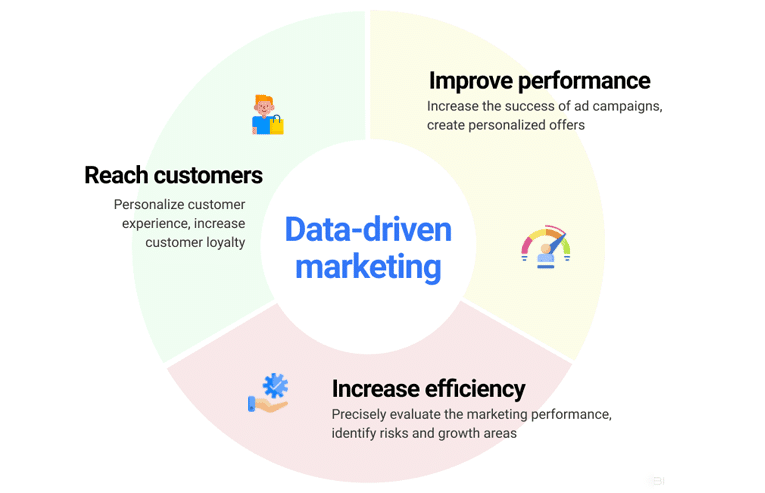
Image Source: Incrementors
Plus, user tracking is not limited to one website. In many cases, it follows behavior across multiple websites, apps, and platforms.
For example, someone may visit an online store, leave without buying, then see an ad for the same product on social media or a news site later. That connection exists because tracking tools link those actions together.
Digital marketers use tracking to improve targeting and timing. Instead of showing random ads, they can reach people who already showed interest. This leads to better engagement, higher conversion rates, and less budget spent on the wrong audience.
Tracking also helps with measurement. Marketers can see which channels drive traffic, which campaigns lead to sales, and where users drop off. This data supports better decisions, from ad spend to content planning.
Core Digital Marketing Strategies Used to Track Users Across the Web
Here are the core marketing strategies.
1. Cookie-Based Tracking
Cookies are small files saved in a user’s browser when they visit a website. These files help remember actions like pages viewed, items added to cart, or login status.
In digital marketing, cookies allow brands to recognize returning visitors and understand how they move between websites. This makes it possible to show ads to people who already visited a site instead of targeting random users.
First-party cookies come from the website itself and are more reliable. Third-party cookies come from ad platforms and are slowly being phased out.
2. Tracking Pixels
A tracking pixel is a tiny, invisible image placed on a website. When a page loads, the pixel sends data back to an ad or analytics platform.
Pixels help marketers track specific actions such as page views, form submissions, or purchases. Platforms like Google Ads and Meta use pixels to measure ad performance and build audiences for retargeting. Pixels are widely used because they provide clear action-based data rather than guesses.
3. Retargeting and Remarketing
Retargeting focuses on users who visited a website and left without taking action. Once someone visits a page, tracking tools add them to an audience list.
Later, ads are shown to the same user on other websites, search results, or social media platforms. This strategy works because the audience already showed interest. Retargeting usually leads to higher click rates and better conversions compared to cold traffic.
4. Cross-Device Tracking
People often switch between phones, laptops, and tablets. Cross-device tracking connects these actions to the same user.
This is done through logged-in accounts, email matching, or behavior patterns.
For example, someone might browse products on their phone and complete the purchase on a laptop. Cross-device tracking helps marketers see the full journey instead of broken data.
5. Programmatic Advertising
Programmatic advertising uses automated systems to buy and place ads in real time. It relies heavily on user behavior data.
When someone visits websites or interacts with content, that data helps place relevant ads across thousands of sites. This allows brands to reach users based on interests, browsing history, and intent rather than broad demographics.
6. Analytics and Event Tracking
Analytics tools track how users interact with websites and apps. This includes clicks, scrolls, time on page, and conversions.
Event tracking focuses on specific actions that matter to a business. These insights show which pages perform well, where users drop off, and what needs improvement. This data helps marketers refine campaigns and improve user experience.
7. First-Party Data Collection
First-party data comes directly from users through forms, subscriptions, purchases, or account signups. This strategy has become more important as privacy rules tighten. Email lists, CRM data, and customer accounts allow brands to track behavior in a more transparent and reliable way. First-party data supports personalization while staying compliant with privacy laws.
Wrap Up
Tracking users across the web helps businesses understand what actually works in digital marketing. It connects user actions across websites, platforms, and devices, giving a clear view of the full journey. When used correctly, tracking supports better targeting, smarter ad spending, and higher conversions.
The key is to track meaningful actions, not everything. Combining the right strategies with clear consent and strong first-party data builds trust and keeps data useful.
FAQs
What is user tracking in digital marketing?
User tracking follows how people interact with websites, apps, and ads. It records actions like page visits, clicks, and purchases. Marketers use this data to understand behavior, measure campaign success, and improve targeting. Tracking gives a clear picture of what works and where improvements are needed.
Why is user tracking important for businesses?
User tracking helps businesses see which ads, content, or pages drive results. It reduces guesswork by showing real behavior, like what users click, how long they stay, and which actions lead to sales. This insight allows smarter decisions, better ad spending, and improved customer experiences.
What are the main strategies for tracking users?
The main digital marketing strategies include cookie tracking, tracking pixels, retargeting, cross-device tracking, programmatic advertising, analytics, and first-party data collection. Each method captures different user actions, and when combined, they provide a complete picture of user behavior across websites, apps, and platforms.
What is retargeting in digital marketing?
Retargeting shows ads to users who visited a website but didn’t take action. By reminding users of products or services on other sites or social media, it encourages them to return and complete a purchase, signup, or other desired action. It’s highly effective because the audience is already interested.
How can businesses use tracking data effectively?
Businesses should focus on meaningful actions like purchases, signups, or engagement. Combine multiple tracking methods for a complete view of the user journey. Use the insights to refine campaigns, target the right audience, and allocate budgets wisely. This approach improves conversions and ensures marketing decisions are data-driven.