Marketing budgets can get messy. You spend on social ads, TV, email campaigns, maybe even billboards, and at the end of the month, you’re left wondering which channel actually moved the needle. That’s where marketing mix modeling, or MMM, comes in. It’s a way to look at all your marketing efforts together and figure out which ones are actually driving sales and which ones are just costing money.
In this blog, we’ll share everything you need to know about marketing mix modeling. You’ll see how it works, why it matters, and how modern brands are using it to improve ROI and get better results from every dollar they spend.
First Off, Let’s Talk About What is Marketing Mix Modeling?
When marketers talk about MMM, they simply mean a way to understand the real effect of every marketing activity on sales. In most companies, marketing runs on lots of channels at the same time — TV ads, Instagram posts, YouTube videos, billboards, email blasts, discounts, and special offers.
After spending all that money, you need to know which of those things actually brought customers in and which ones didn’t make a difference. That’s what marketing mix modeling does. It looks at past data on marketing activities and past sales to figure out how much each part of your marketing contributed to your results. It uses real numbers from your campaigns and compares them over time to find patterns.
For example, Coca‑Cola uses MMM as part of how they plan their campaigns. Coca‑Cola runs thousands of ads and promotions around the world every year — TV commercials during big sports events, digital ads on social platforms, in‑store displays, and seasonal campaigns like “Share a Coke” where bottles were printed with people’s names.

Image Source: Boardmix
By feeding data from all these activities into an MMM process, Coca‑Cola’s marketing team can see which kinds of ads or promos were followed by spikes in sales in different regions, and which ones had little effect. This helps them understand how each marketing effort worked together with others across different markets and time periods.
In simple words, MMM is like putting all your marketing numbers into a big smart calculator. It explains total sales into pieces and shows you how much each marketing activity — from TV to social media — played a part in driving those sales. That gives you a clearer picture of what actually moves the business forward.
Why Marketing Mix Modeling is Gaining More Importance
Marketing is getting more complicated every year. Customers see brands in so many places — social media, Google search, streaming videos, emails, and even in stores. Each of these can affect sales, and looking at them separately doesn’t show the full picture. That’s why Marketing Mix Modeling, or MMM, is becoming more important.
MMM uses past marketing and sales data to show how different channels work together. It doesn’t rely on tracking individual users, which is helpful since privacy rules and the end of third-party cookies make old tracking methods less reliable.
The numbers show how quickly brands are adopting it. Around 49% of marketers worldwide already use MMM. And about 60% of U.S. advertisers currently use MMM, with many others planning to start soon.
With marketing channels increasing and old tracking methods fading, MMM is becoming a key tool for any brand that wants to understand which campaigns actually drive sales.
How Marketing Mix Modeling Works
Marketing Mix Modeling, or MMM, works by taking your past marketing and sales data and turning it into a clear picture of what actually drives revenue. Here’s how it works.
Gather Your Data
The first step is collecting historical data from all your marketing channels — TV, social media, search ads, email campaigns, promotions, and even offline activities like events or in-store displays. You also need sales data for the same period so you can see what results came from all that marketing.
Identify the Variables
Next, you figure out which factors to include in your model. These are called variables. For marketing, variables are things like ad spend on TV, social media impressions, email open rates, or discount offers. You can also include external factors like seasonality, holidays, or competitor activity.
Build the Model
MMM uses statistical techniques — usually regression analysis — to measure the relationship between marketing activities and sales. Essentially, it asks… “If we spent this much on Facebook ads and this much on TV last month, how much did each channel contribute to sales?”
Analyze the Results
Once the model runs, it shows how each channel performed. You can see which campaigns had the biggest impact and which didn’t move the needle. For example, Coca-Cola uses MMM to analyze how TV ads, digital campaigns, and in-store promotions work together in different regions.
By comparing sales before and after campaigns, they can pinpoint which marketing actions actually increased revenue.
Make Smarter Decisions
Finally, you use these insights to plan future campaigns. You can shift budget toward channels that perform well, adjust campaigns that aren’t delivering, and even predict sales from future marketing activities. This step is where MMM turns numbers into action.
Tools and Software for Marketing Mix Modeling
Once you understand how MMM works, the next step is picking the right tools to make it easier. Here are some of the best ones brands are using today.
1. Nielsen Marketing Cloud

Image Source: Nielsen
Nielsen has been a leader in marketing measurement for decades. Their platform allows companies to track campaigns across TV, digital, and offline channels. Big brands like Coca-Cola and Pepsi have used Nielsen’s tools to see how their marketing spend impacts sales in different regions.
2. Analytic Partners
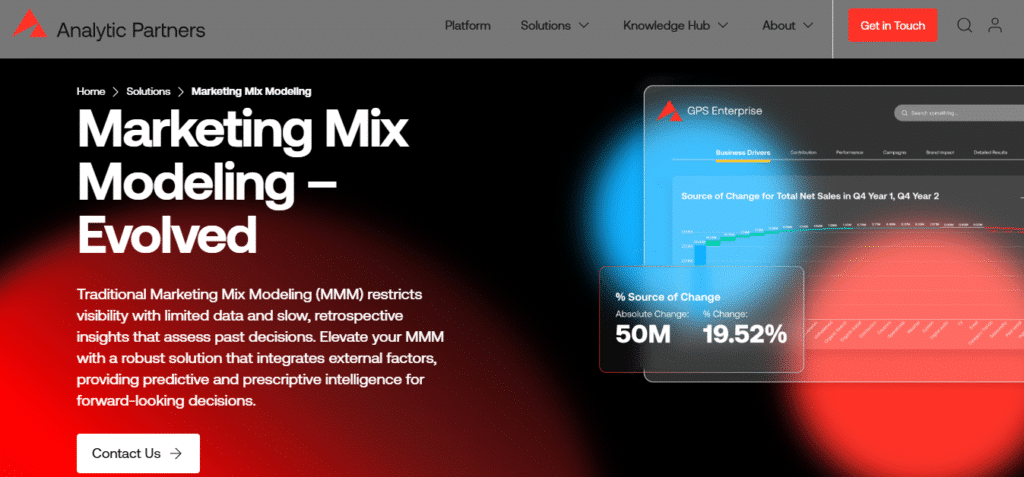
Image Source: Analytic Partners
Analytic Partners offers MMM services with a strong focus on multi-channel campaigns. Their platform can combine offline and online data, helping brands like Unilever and Nestle see which campaigns work best across different markets.
3. Marketing Evolution
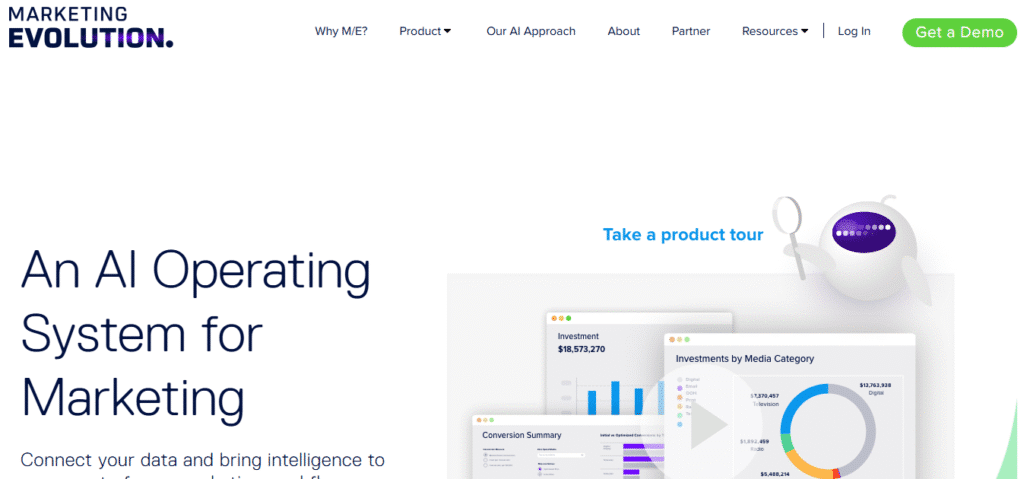
Image Source: Marketing Evolution
This tool focuses on real-time MMM, letting companies analyze campaign performance faster than traditional monthly models. It’s used by brands like Toyota and Samsung to continuously adjust marketing spend.
Wrapping Up
Marketing Mix Modeling helps brands see exactly how their marketing affects sales. Instead of guessing, it uses real data from TV, social media, email, and other channels to show what works and what doesn’t. In 2026, with more marketing channels and stricter privacy rules, MMM is more important than ever.
Big brands like Coca-Cola use it to understand which campaigns boost sales and where to focus their budgets. The process is simple… Gather data, build the model, analyze results, and make smarter decisions. MMM turns messy marketing numbers into clear insights that help businesses spend smarter and grow revenue.
FAQs
What is marketing mix modeling and how does it help businesses?
Marketing mix modeling (MMM) measures how each marketing channel, like TV, social media, or promotions, impacts sales. It helps businesses see which campaigns actually drive results and make data-based decisions about where to spend their marketing budget.
How do companies use marketing mix modeling in real life?
Companies gather past sales and marketing data, run statistical analysis, and identify which channels or campaigns contributed most to sales. Brands like Coca-Cola use it to plan budgets, improve ROI, and decide which marketing activities to continue or adjust.
What types of marketing channels can MMM measure?
MMM can measure online and offline channels, including TV, radio, print, social media, search ads, email campaigns, in-store promotions, and seasonal discounts. It shows how each contributes to overall sales and how channels work together.
Can small businesses use marketing mix modeling too?
Yes. Modern MMM tools make it accessible for smaller businesses. They can track marketing effectiveness, understand which campaigns perform best, and optimize spending without needing a large analytics team.
How is marketing mix modeling different from digital analytics?
Digital analytics tracks individual user behavior online. MMM looks at overall sales trends across all channels, including offline campaigns, giving a big-picture view of marketing performance and ROI.